Hawaii's real estate market speaks its own language, and three terms come up in almost every conversation: fee simple, leasehold, and lava zone. None of them are complicated once they are explained, and all of them matter to your wallet. Here is the plain-language version.
Fee simple: you own it all
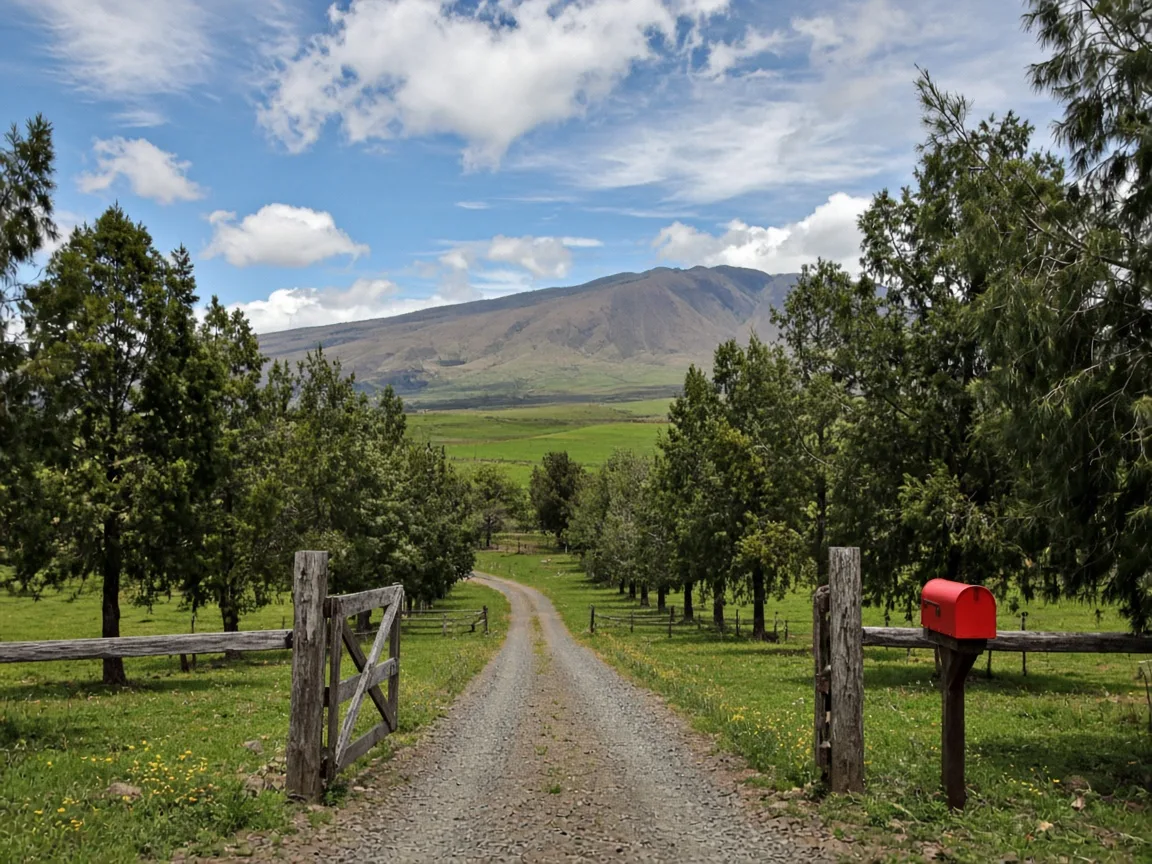
Fee simple is the ownership most mainland buyers already understand. You own both the land and the improvements on it, outright, with no expiration date. You can sell, lease, remodel, or pass the property to your heirs, and there is no ground rent and no clock counting down. The large majority of homes on the Big Island are fee simple, and it is what most buyers should look for unless they have a specific reason not to.
Leasehold: you own the home, you rent the land
Leasehold is common enough in Hawaii that you should know it cold. In a leasehold purchase, you own the improvements but only lease the land beneath them from the landowner, usually for a fixed term such as 55 or 99 years. You pay recurring lease rent for the ground, your financing and resale are tied to the remaining years on the lease, and when the lease ends the land returns to the owner. Leasehold properties typically cost less than fee simple, but they carry real restrictions, so they only make sense when you understand exactly what you are buying.
Lava zones: the island grading system
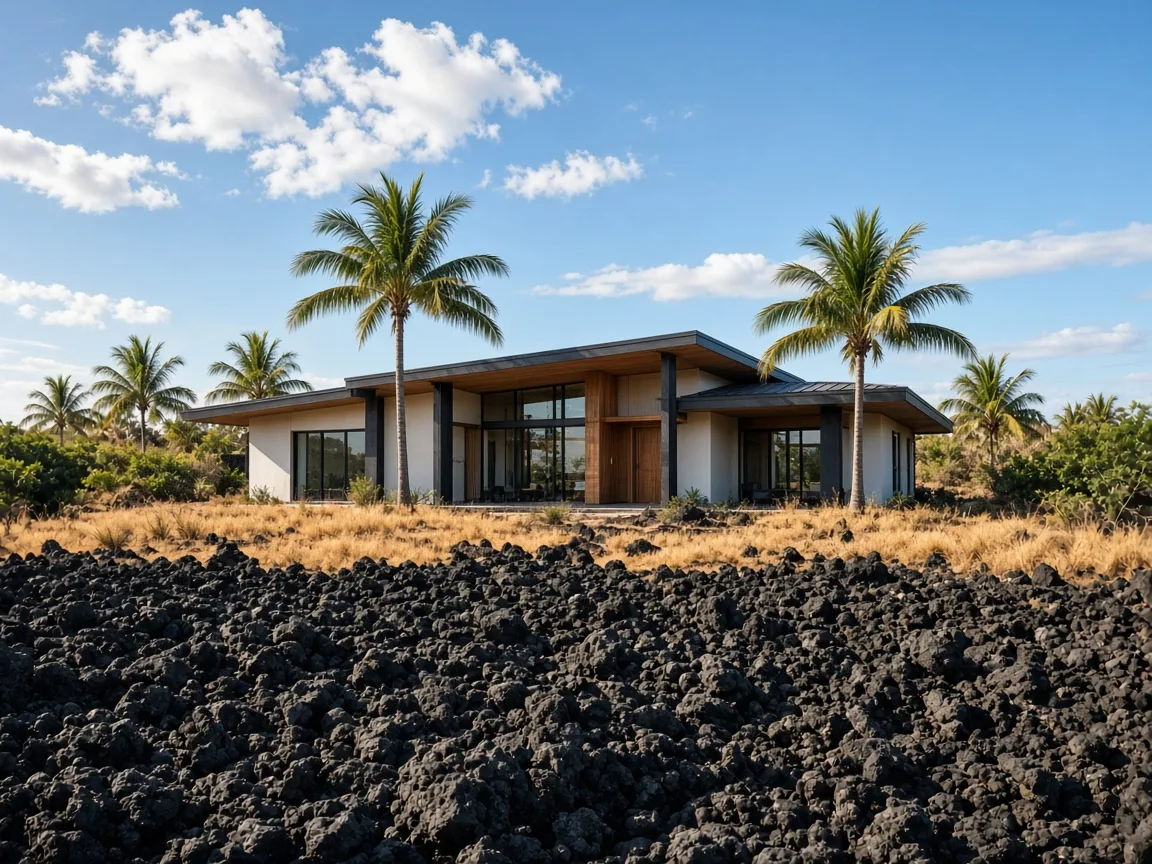
The U.S. Geological Survey divides the Island of Hawaii into nine lava-flow hazard zones, numbered 1 through 9 from highest to lowest hazard, based on where vents sit, where lava has flowed in historic time, and how the land slopes. Zone 1 covers the summits and rift zones of Kilauea and Mauna Loa, areas repeatedly covered by lava in the modern era. Higher numbers mean lower hazard: areas in Zone 8 and 9, which include much of Kona and the Kohala coast, have not been inundated in thousands of years.
Your lava zone affects insurance availability and cost, so it belongs near the top of your due diligence list. It is a routine part of any Big Island purchase, and your lender, insurance agent, and broker should all speak plainly about it before you make an offer.
How an experienced broker helps
None of this should scare you, but all of it should be understood. A good local broker walks you through the ownership type, the lava zone, the insurance picture, and the true cost of upkeep before you ever sign. That is the whole job: make sure the home you fall in love with is the home you can live with, happily, for decades.
If you are starting your Big Island search, let us talk. I have helped buyers and sellers navigate these details for 19 years, and I am happy to answer your questions. Mahalo.