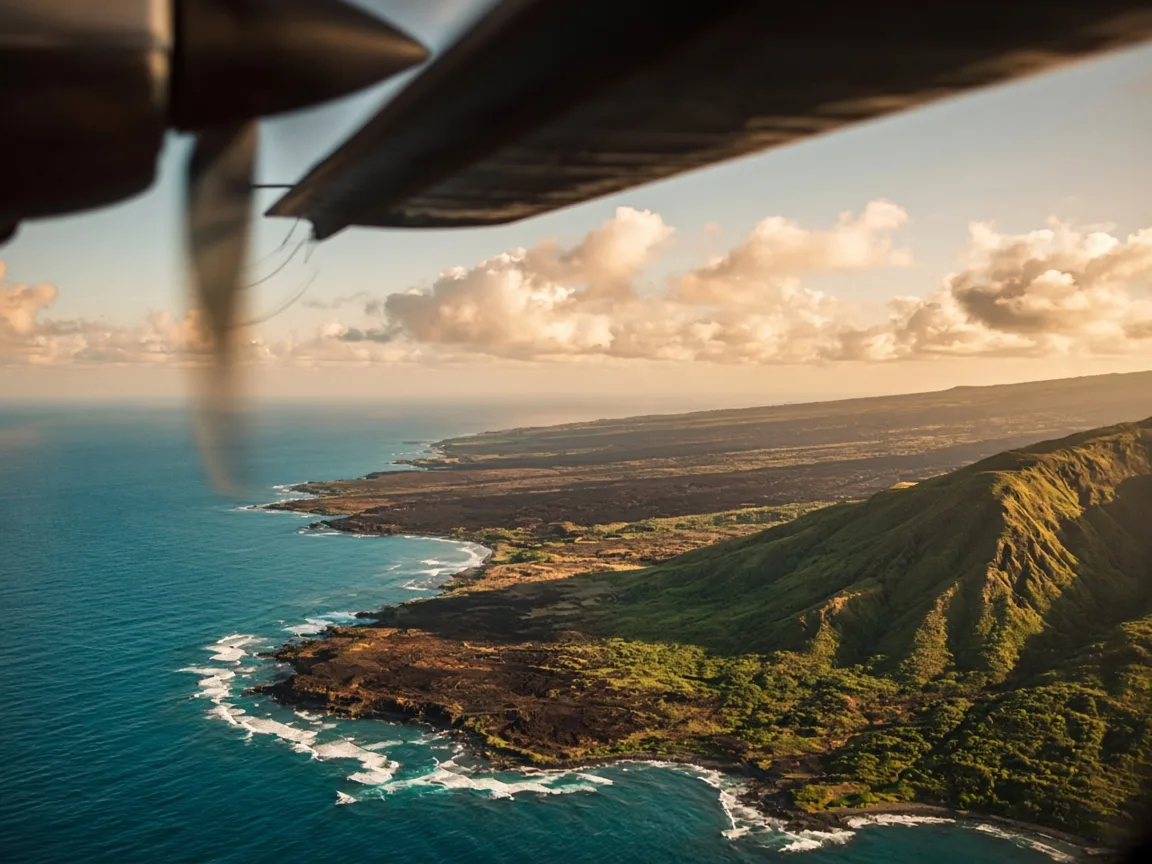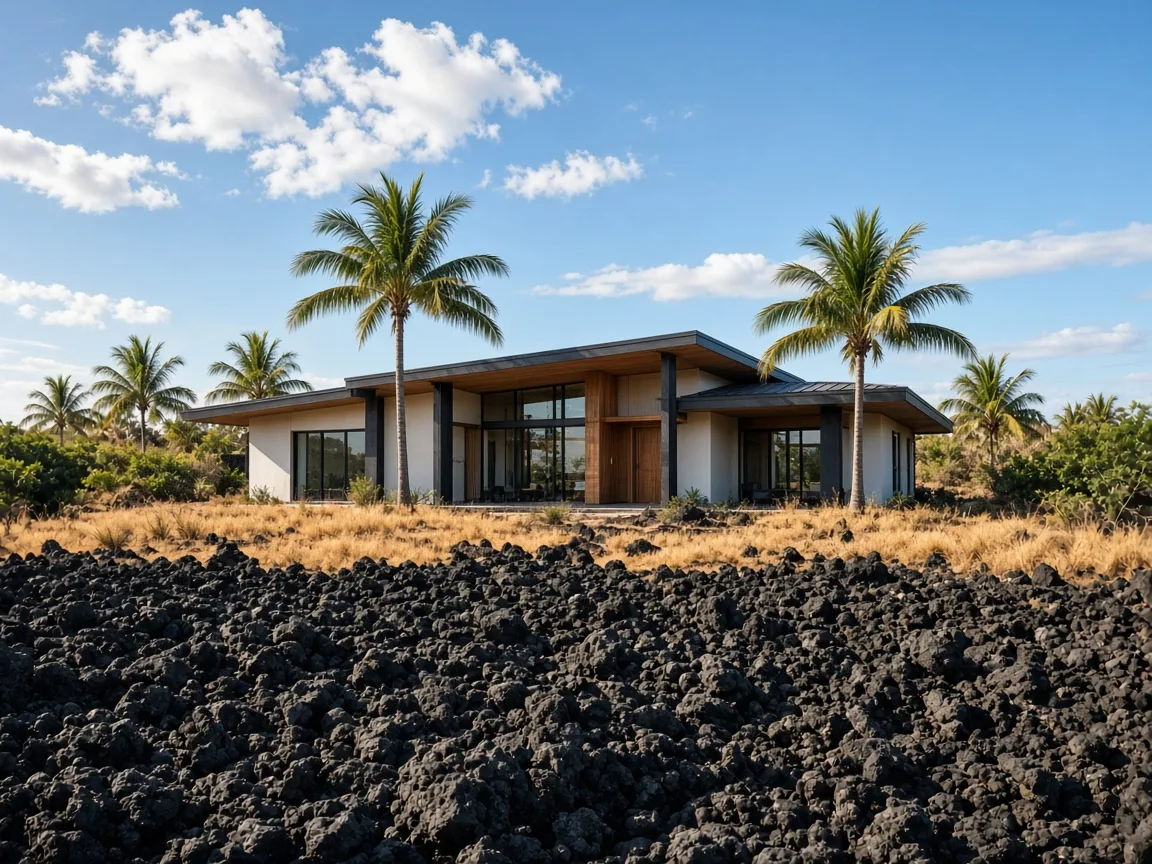
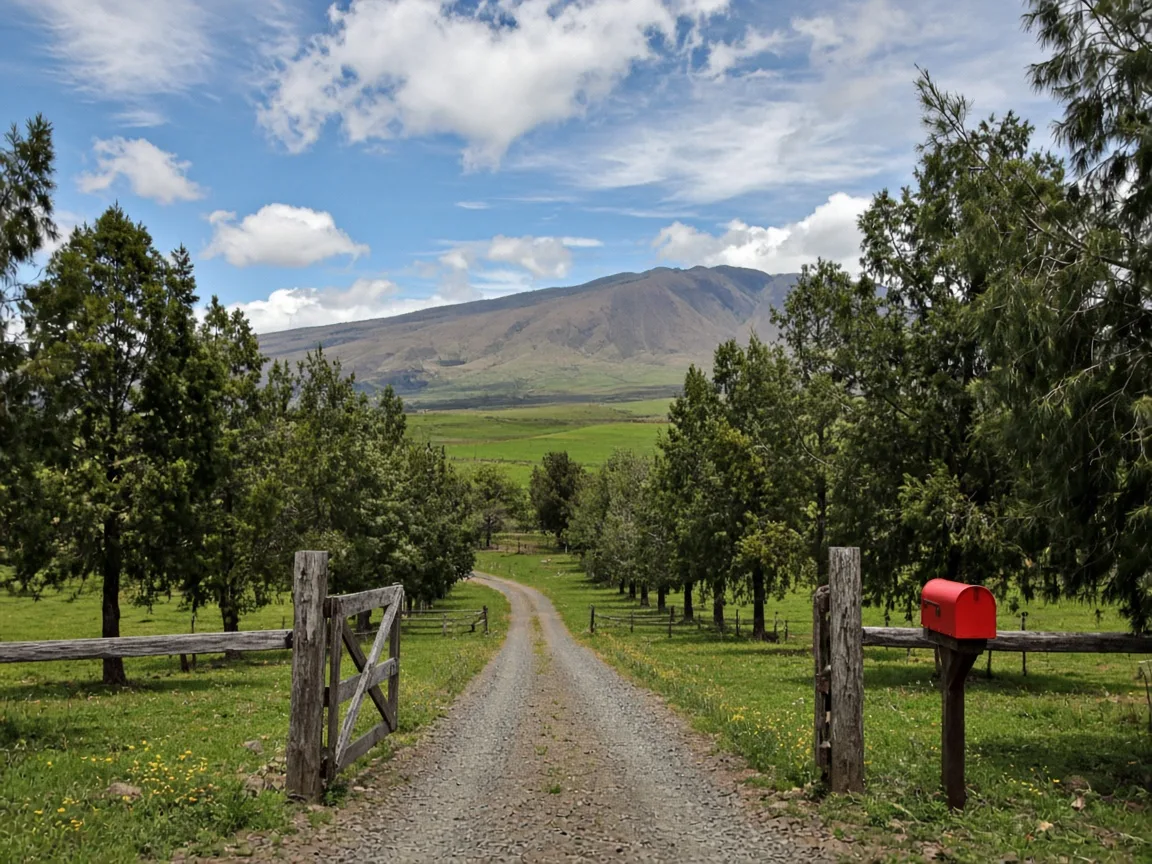
First, a quick geography lesson that surprises almost every newcomer: Waimea and Kamuela are the same town. Waimea is the traditional Hawaiian name, and Kamuela is the official U.S. Postal Service designation, which is why you will see both on signs and mail. Whatever you call it, this upcountry community at about 2,670 feet of elevation is one of the most distinctive places to live in all of Hawaii.
If you are considering a move here, here is the honest guide to what makes Waimea-Kamuela tick.
Land of the paniolo
This is cowboy country, and it has been for two centuries. Cattle arrived in 1793 when Captain George Vancouver gave King Kamehameha a herd, and the animals multiplied across the plains. By the 1830s, Hawaiian paniolos were riding the range, schooled by vaqueros who came from Mexico and California. The heritage is everywhere: rodeo grounds, ranch gates, tack shops, and the story of Waimea paniolo Ikua Purdy, who won the 1908 championship rodeo in Cheyenne, Wyoming.
Parker Ranch, founded around 1815 and once one of the largest ranches in the world, still shapes the landscape. Roughly 130,000 acres of ranch land is close to 10 percent of the entire Big Island, and those green pastures are what make the drive into town unforgettable.
What living here feels like
The single biggest surprise for newcomers is the climate. At 2,670 feet, Waimea is noticeably cooler than the coast: sunny days in the 70s, nights that drop into the 50s, and mist that rolls in off the Kohala mountains. Homes here use fireplaces and cozy living rooms more than most people expect from Hawaii. You are also a short drive from everything: roughly 45 minutes to Kona's airport, about 30 minutes down to the Kohala Coast resorts, and a meandering back road away from the beaches.
What you trade in beachfront heat, you gain in space, views, and community. Buyers here find everything from historic plantation cottages and ranch houses to newer homes on large agricultural lots with sweeping views of Mauna Kea and Mauna Loa.
Who Waimea fits
Waimea suits people who want a real town, not a resort: families, retirees, horse people, ranchers, artists, and anyone who likes four seasons in the mildest possible way. Community life revolves around Kahilu Theatre, the rodeo, farmer's markets, and schools that draw families from across the island. It is also the practical headquarters for owning land elsewhere on the island, because the roads connect to Kona, the coast, and the Hamakua side equally well.
Know before you buy
Elevation means weather, and weather means maintenance: plan for rain gutters, resilient landscaping, and a home that handles morning condensation. Land in the ranch districts is often in agricultural zoning, which is great for horses and gardens, but understand the rules before you commit. And if the misty, green, neighborly version of Hawaii is what you are after, this is the town to start with.
I have lived here since 2002. I know every road, every view, and every honest contractor in town. Mahalo, and I hope to show you around.